
The Debate the Industry Has Been Avoiding
Many senior procurement leaders recognise it privately. Almost none say it out loud: as processes mature and tools proliferate, the depth of knowledge being developed by the next generation of buyers may not match what the role truly demands.
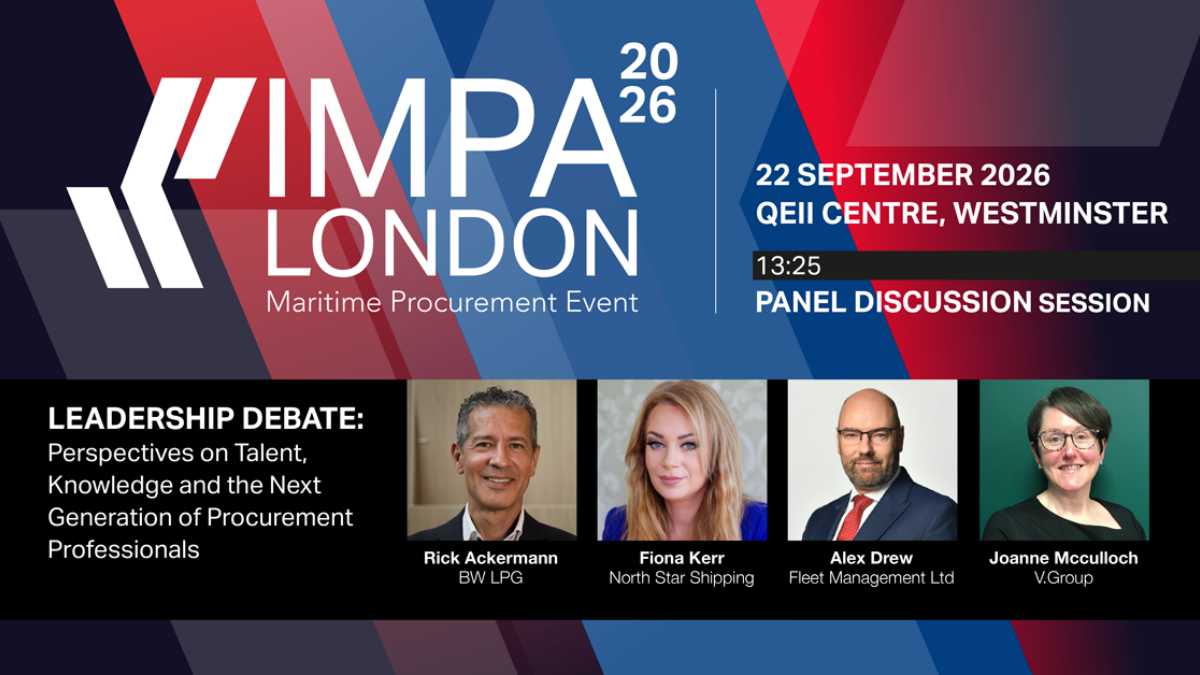
At IMPA London 2026, four leaders are putting that truth on the record. The Leadership Debate: Perspectives on Talent, Knowledge and the Next Generation of Procurement Professionals takes place on Day One, straight after the networking lunch, and it doesn't hedge the question. It asks it directly, in front of the whole room.
Why Now
Procurement has never had smarter tools or richer data. That should be an unambiguous win, and in many ways it is. But the panel is built around a harder possibility: that as the tools have matured, the judgement behind them hasn't kept pace. A buyer can operate a system fluently without ever having developed the commercial instinct that system is meant to support, and that gap doesn't show up on a dashboard. It shows up later, in a negotiation that goes badly, a supplier relationship that quietly sours, or a decision that falls apart the moment something doesn't fit the usual pattern.
The debate asks three questions that matter far beyond the conference room: what are the consequences for commercial performance, for supplier relationships, and for operational resilience? And what must industry leaders do, now, to reverse the trend before it becomes permanent?
Who's on the Panel
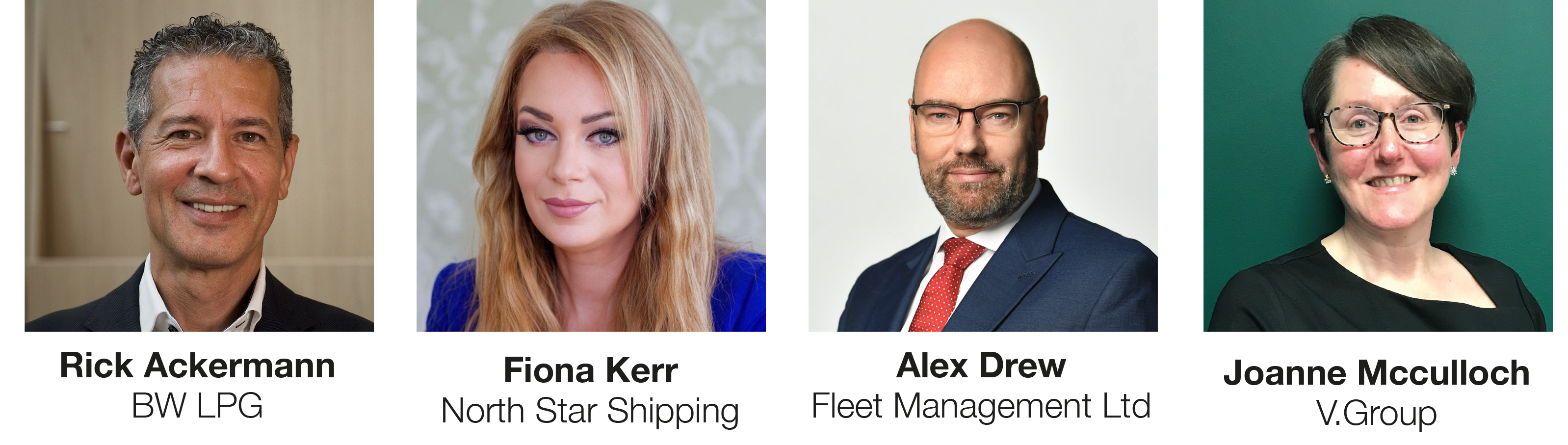
Rick Ackermann, Head of Procurement at BW LPG, opens Day One with a keynote on the risk of knowing less in an age of modern buying tools, a theme he carries straight into this debate. Rick has built procurement functions across multiple organisations, including his role in the multi-billion-dollar Boskalis-Penta Ocean joint venture in Pulau Tekong, Singapore, and now leads BW LPG's global Sustainable Procurement strategy.
Fiona Kerr, Head of Procurement at North Star, brings a perspective grounded in daily practice. Over 70% of her team are in the first few years of their procurement careers, and rather than treating that as a challenge, she has made building structured development programmes her mission, giving junior buyers the knowledge, confidence and commercial instinct the role demands.
Joanne McCulloch, Global Head of Fleet Procurement & Logistics at V.Group, brings a global, operational lens to the conversation, having overseen procurement and logistics across a large, complex fleet.
Alex Drew, Group Procurement Director at FLEET Management Limited, rounds out the panel with a technical management perspective, offering insight into where knowledge gaps tend to surface hardest in day-to-day ship management.
What the Debate Won't Let the Industry Off the Hook On
This isn't a session designed to simply agree that a problem exists and move on. It's built to push the panel toward real accountability: where does each of them see the gap most clearly in their own teams? Is it a hiring problem, a training problem, or something structural in how the profession has evolved? And where do they disagree with each other, if at all, about how serious the risk really is?
The session closes with the question that matters most: what must industry leaders do, now, to reverse the trend, not in five years once the gap has become structural, but starting with the choices being made about junior buyers today.
By the time this debate begins, the room has already heard two sides of the same coin. Rick opened the morning with his keynote on the risk of knowing less, making the case that speed without judgement is a liability, not a strength. Fiona followed with a practical, on-the-ground account of what it actually takes to build that judgement, sharing how she has structured development programmes for a team where most staff are early in their careers. The debate is where those two threads meet a wider panel and get tested in real time.
"It’s about making sure there is space for new talent and that we’re not overprotective of the positions we’re in. We all have to move forward together. AI is changing the entry-level opportunities, the roles of the future will become much more analytical and strategic rather than purely operational and administrative."
Joanne McCulloch, Global Head of Fleet Procurement & Logistics at V.Group
Why This Session Matters
The Leadership Debate sits at the centre of Day One's talent management thread, following directly from Rick Ackermann's keynote on procurement's most uncomfortable paradox, and what we need to do about it and Fiona's session on building procurement talent from the ground up, and why it matters more than ever. Together, they form a single, connected argument: the profession has never had better tools, and it cannot afford to assume that's the same thing as having better judgement.
For anyone building or leading a procurement team today, this is the session that puts the uncomfortable question on the table and asks four people who run real teams to actually answer it.
In collaboration with the Global Maritime Procurement Council (GMPC)

Why This Agenda Matters
What stands out across both days is the throughline: this isn't an event built around abstract trends. It's built around the tension procurement leaders are living with right now: how to modernise without losing institutional knowledge, how to hit ESG targets with real accountability, and how to adopt AI without outsourcing judgement. With speakers from BW LPG, North Star, V.Group, FLEET Management, Scorpio Group, ShipServ, Oldendorff Carriers, Breakwater, ProcureShip, Wilhelmsen, Closelink, and NARWHAL PROJECT all in the room, the debates promise to be as candid as the session titles suggest.
IMPA London 2026 takes place 22–23 September at the Queen Elizabeth II Centre, Westminster, London.
Register now


